The Sri Lanka Coast Guard (SLCG), as the nation’s primary maritime law enforcement agency established under an Act of Parliament, places strong emphasis on fostering broad and constructive international partnerships. In an increasingly interconnected maritime domain, SLCG actively collaborates with regional and global law enforcement authorities, defence organizations, and maritime security bodies to advance shared objectives and uphold common standards.
Over the years, these partnerships have significantly strengthened SLCG’s institutional capacity by expanding access to advanced training, enhancing operational responsiveness, and promoting the optimum use of available assets. Such cooperation has not only elevated the professionalism of SLCG personnel but also contributed to deepening Sri Lanka’s diplomatic engagement in alignment with the national foreign policy.
Through sustained collaboration with international maritime agencies, SLCG continues to gain valuable knowledge, technologies and best practices across the fields of maritime law enforcement, search and rescue, environmental protection, and maritime safety. These collective efforts reinforce SLCG’s commitment to its vision of ensuring a peaceful, secure, and environmentally responsible maritime environment that safeguards Sri Lanka’s national interests.
As Sri Lanka remains a party to key global conventions on maritime safety, security, and marine environmental protection, SLCG fulfills an important role in implementing international obligations at sea. In this context, robust bilateral and multilateral cooperation is recognized as a vital enabler for mission success, operational resilience, and continuous advancement within the global maritime community.
Capacity Building through International Cooperation
Strengthening maritime security requires more than equipment, it demands continuous human resource development, enhanced professional competencies, and strong international partnerships. In this context, capacity building remains a vital pillar of the Sri Lanka Coast Guard (SLCG), supporting efforts to safeguard national maritime interests and contribute to regional and global maritime stability.
At the national level, capacity building involves improving the ability to protect maritime infrastructure, maintain security within Sri Lankan waters, ensure border protection, and implement international standards in ship, cargo, and port security. Among these, human capital is the most critical element, forming the backbone of effective maritime security cooperation.
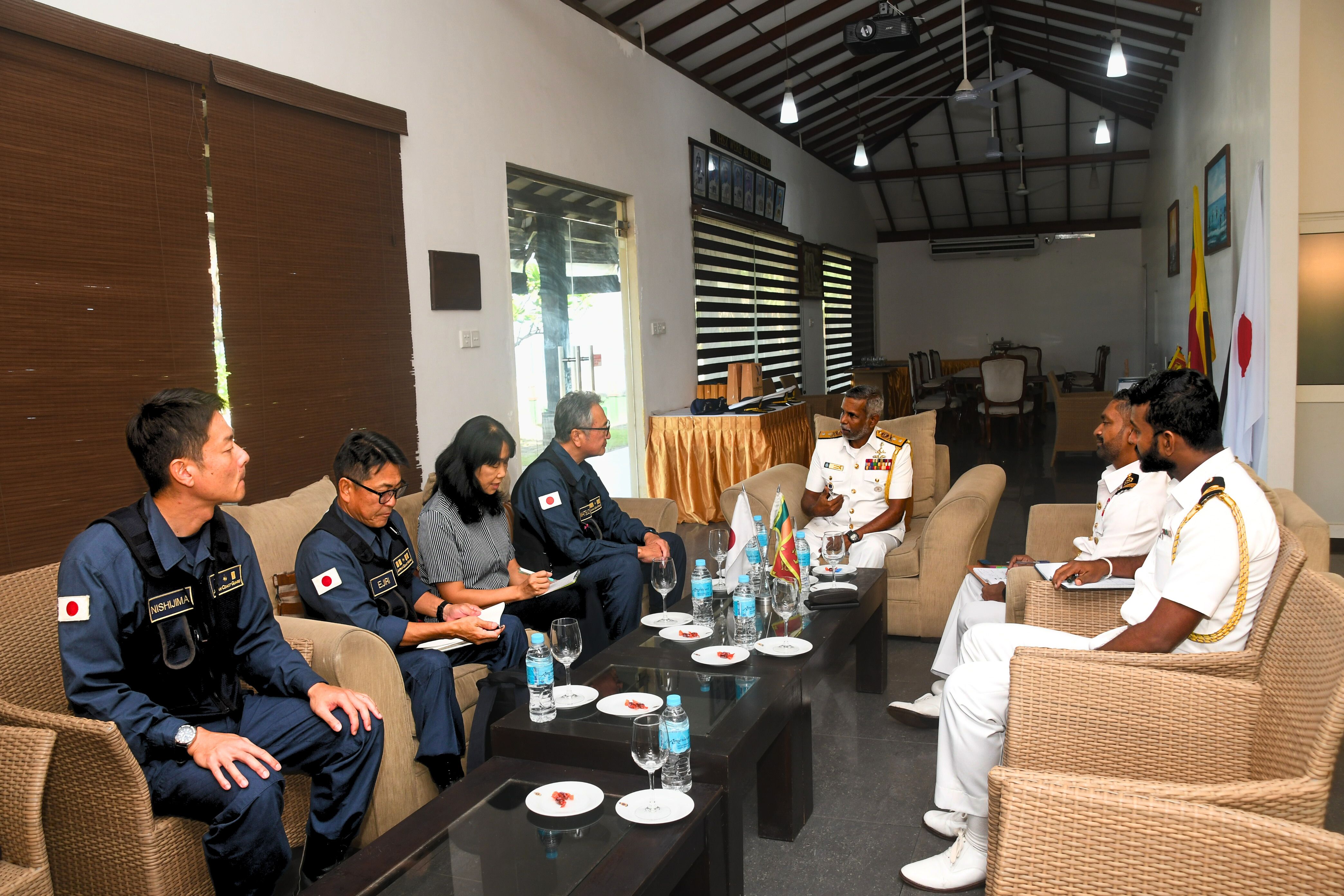
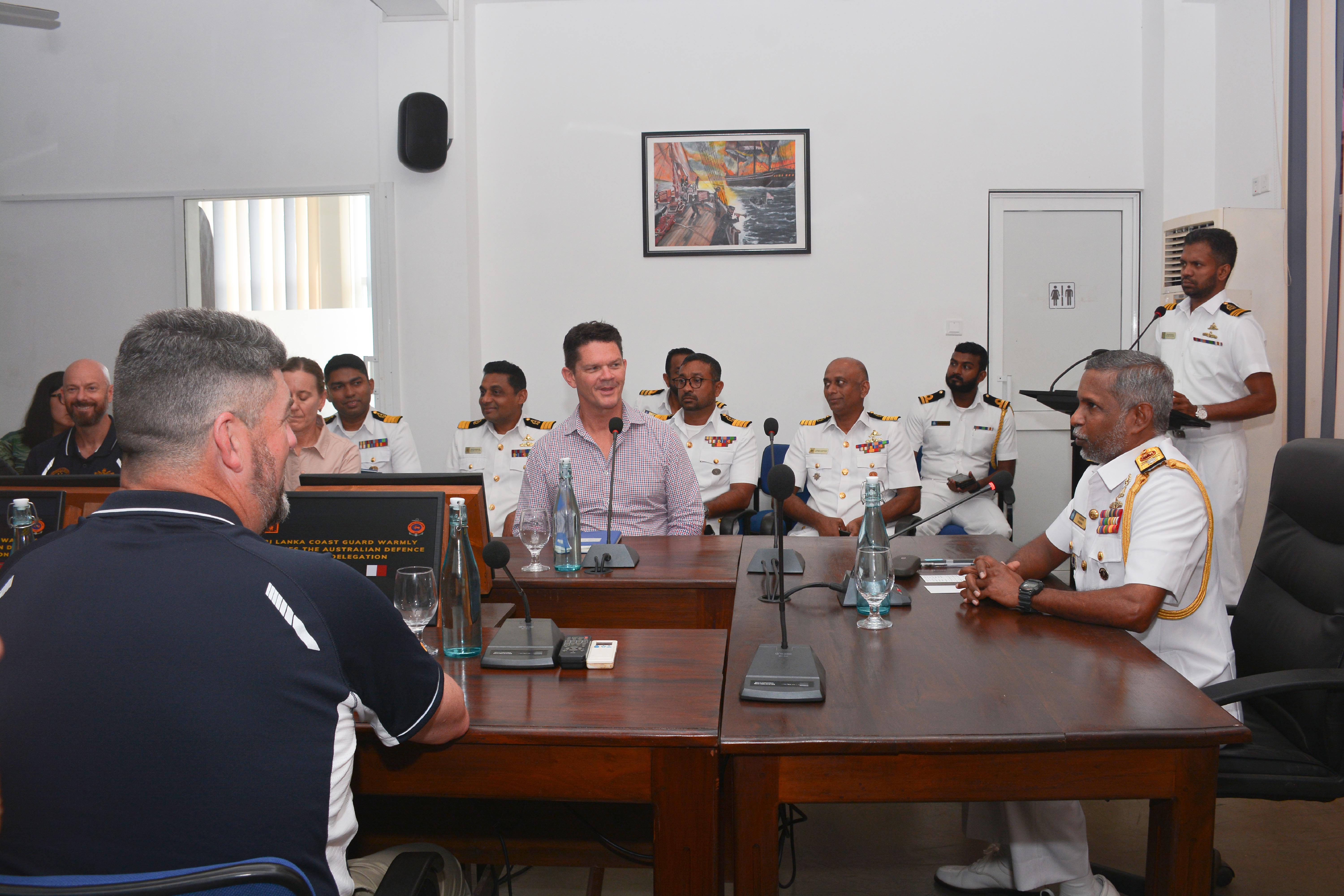
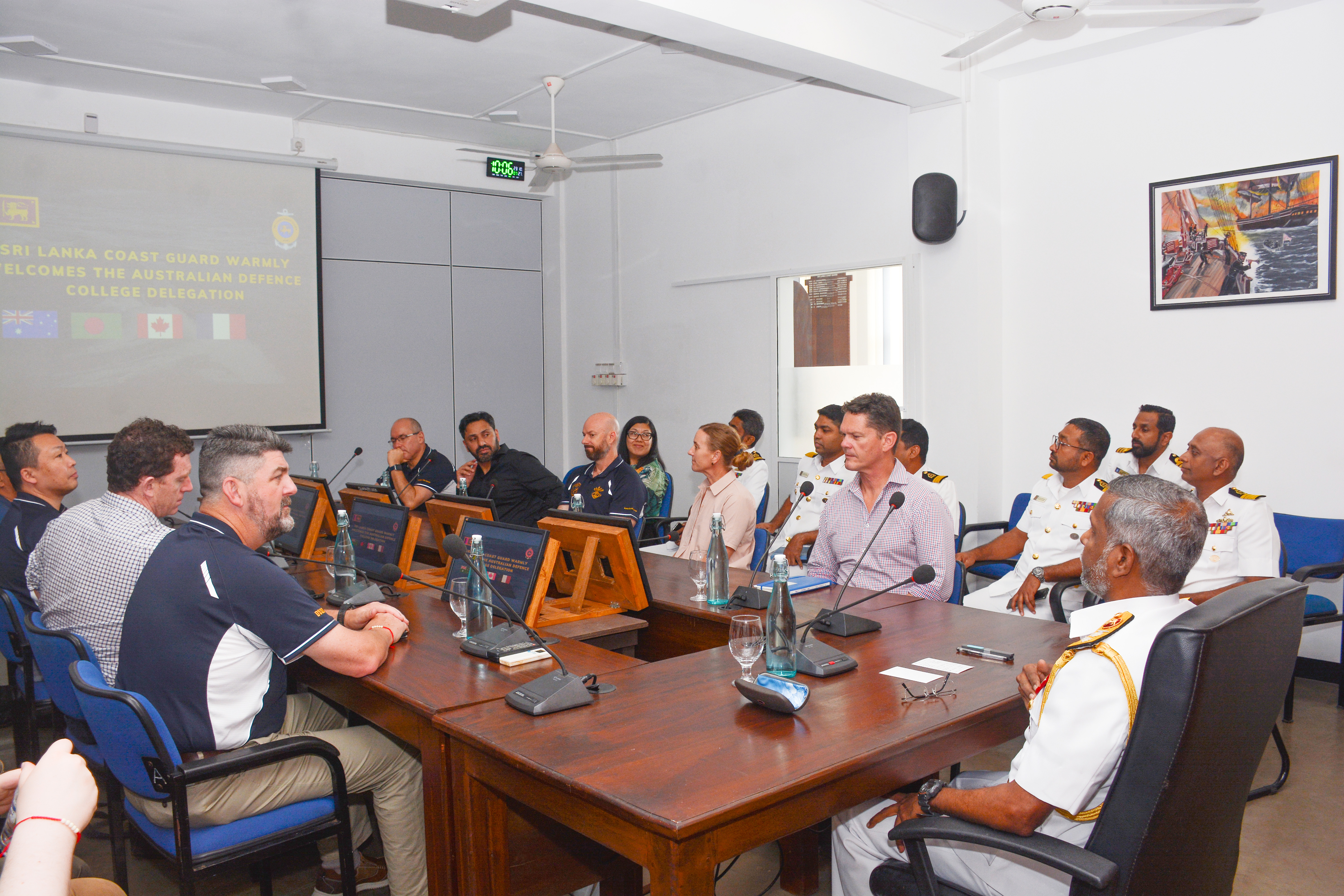
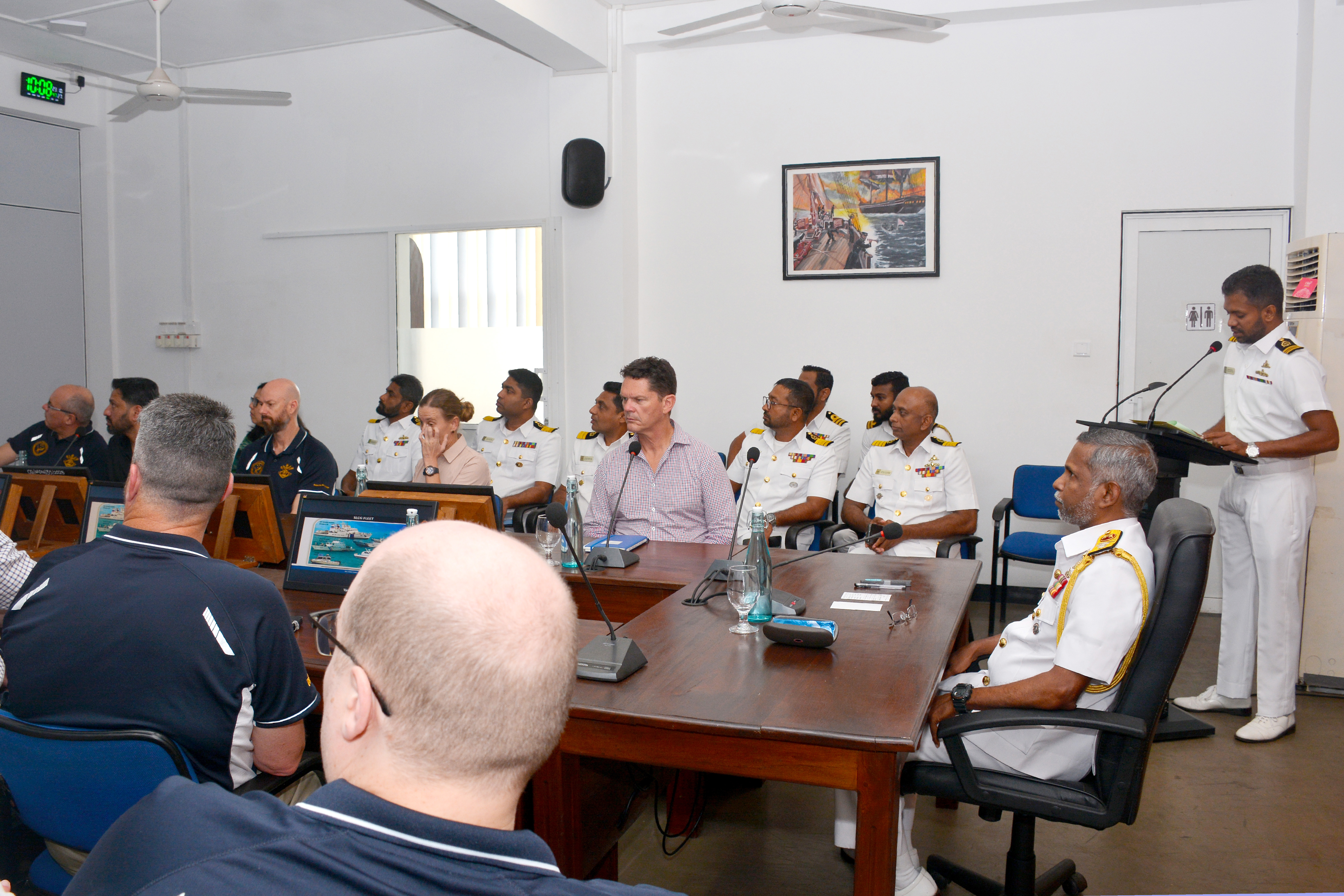
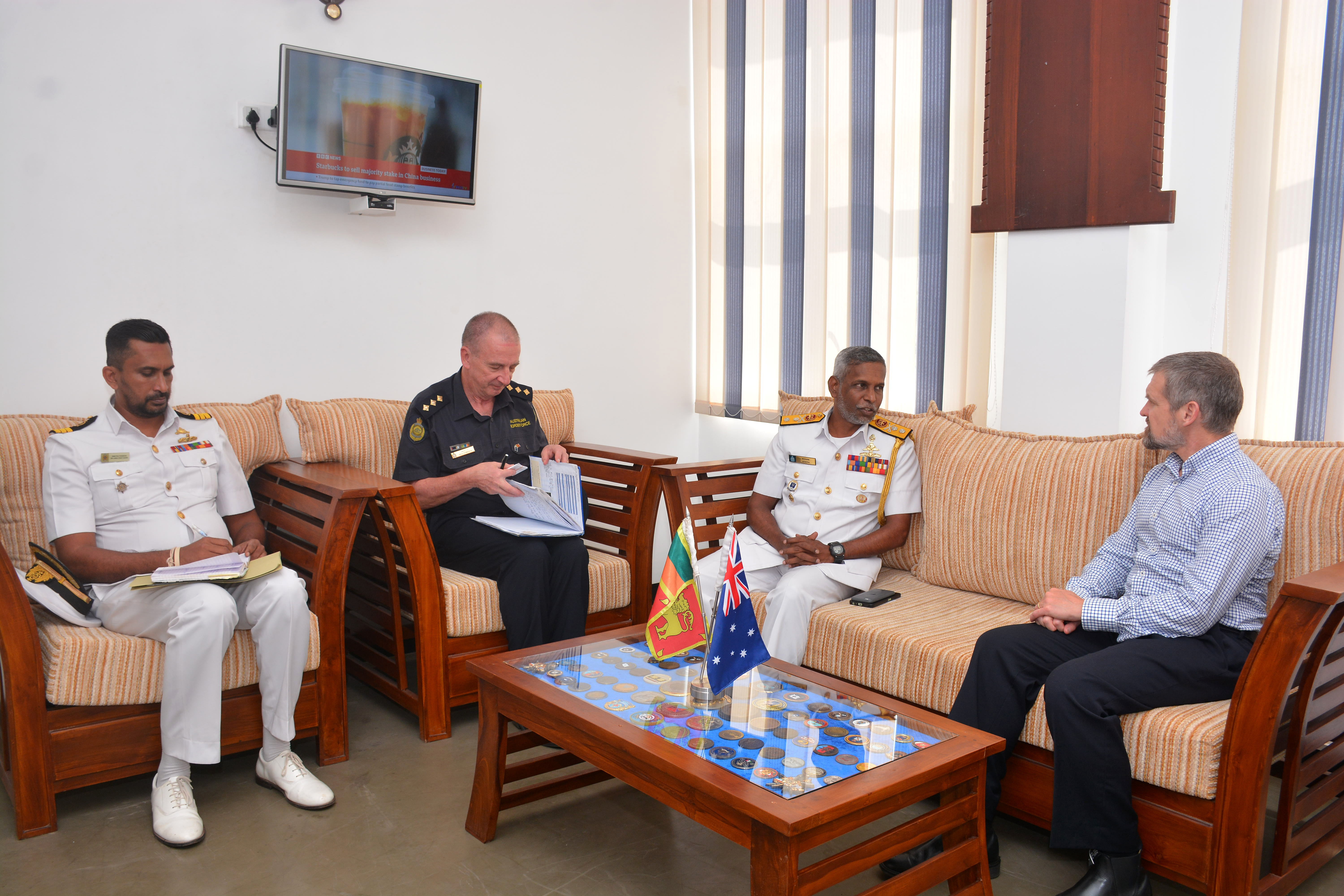
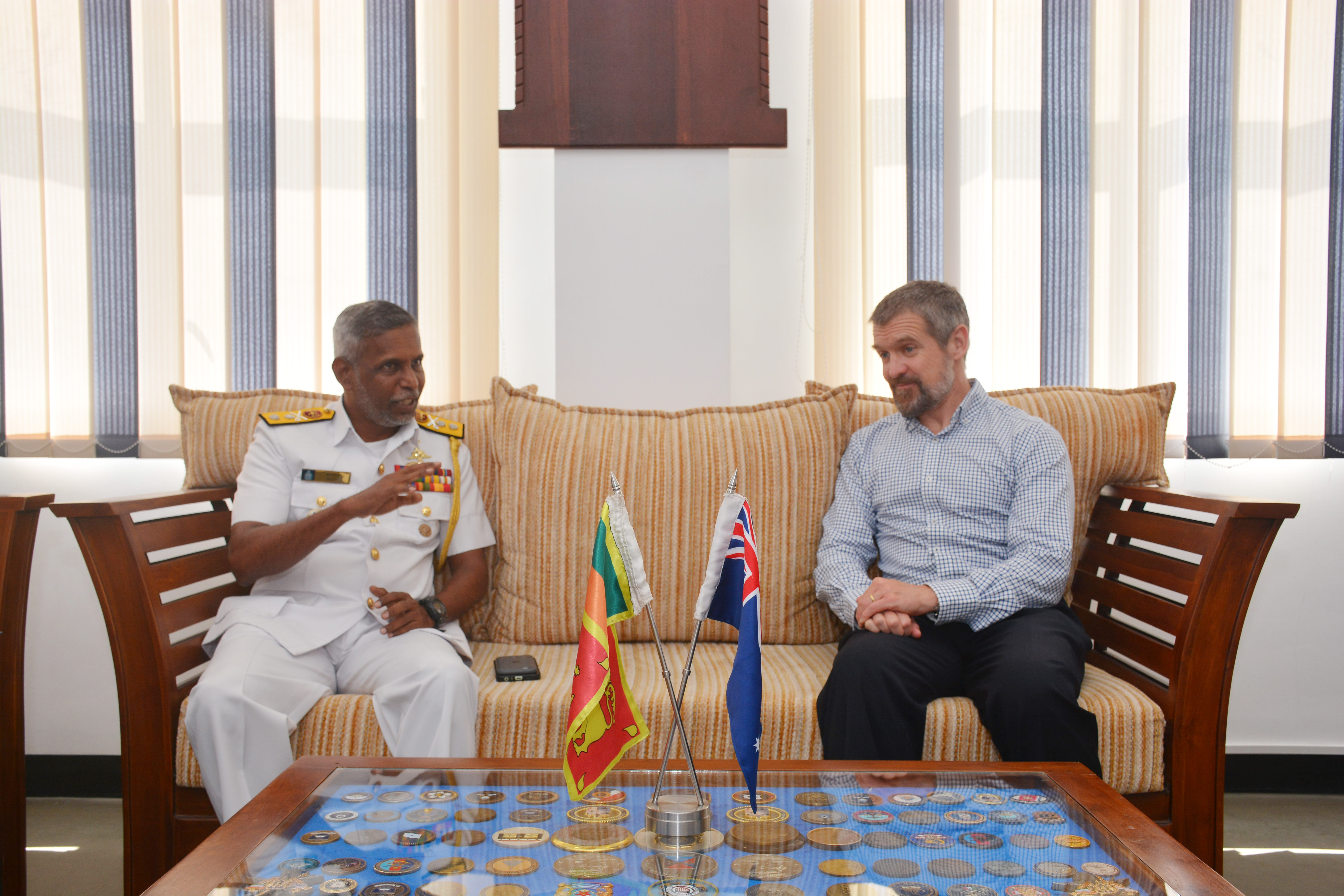
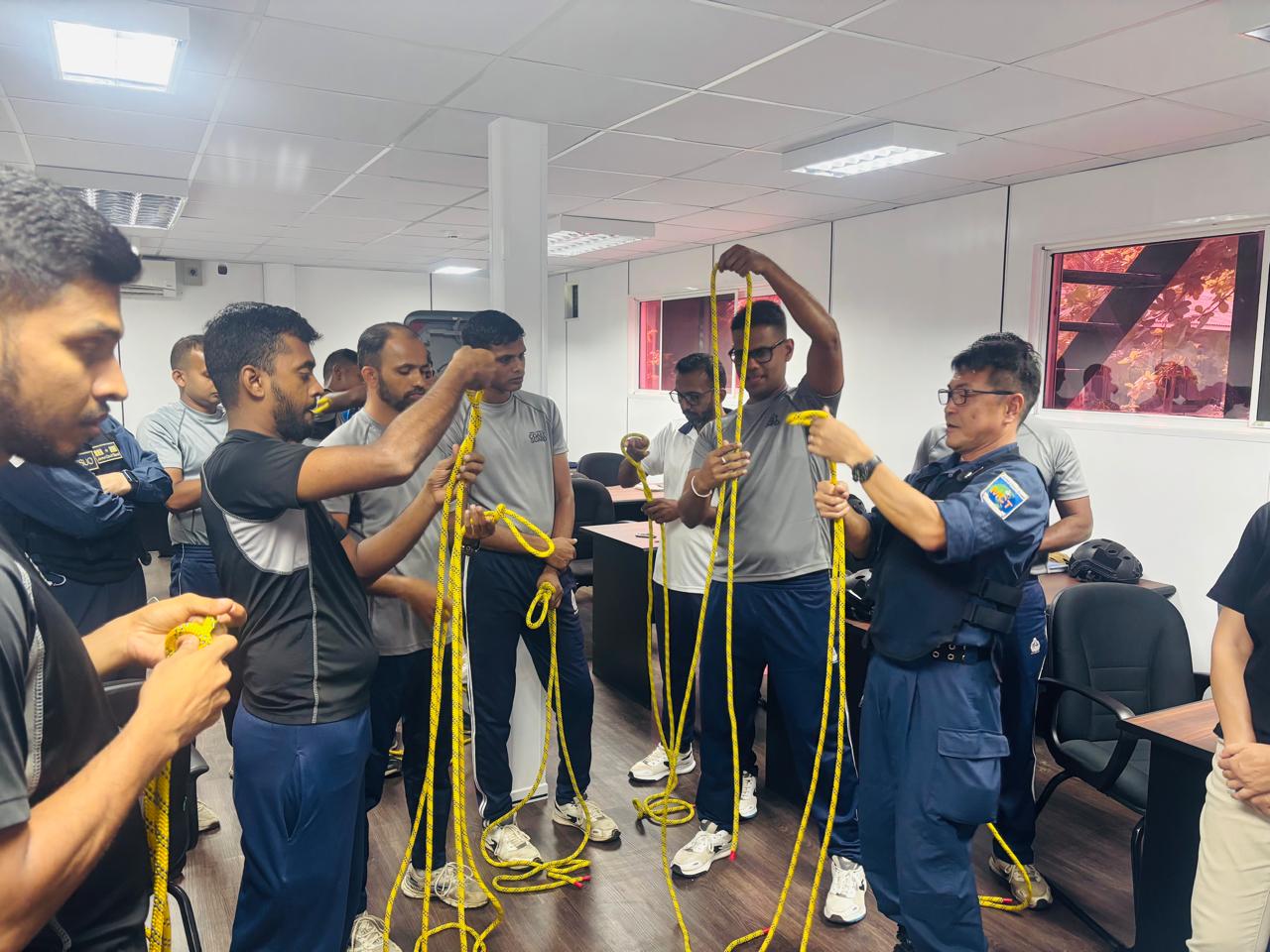
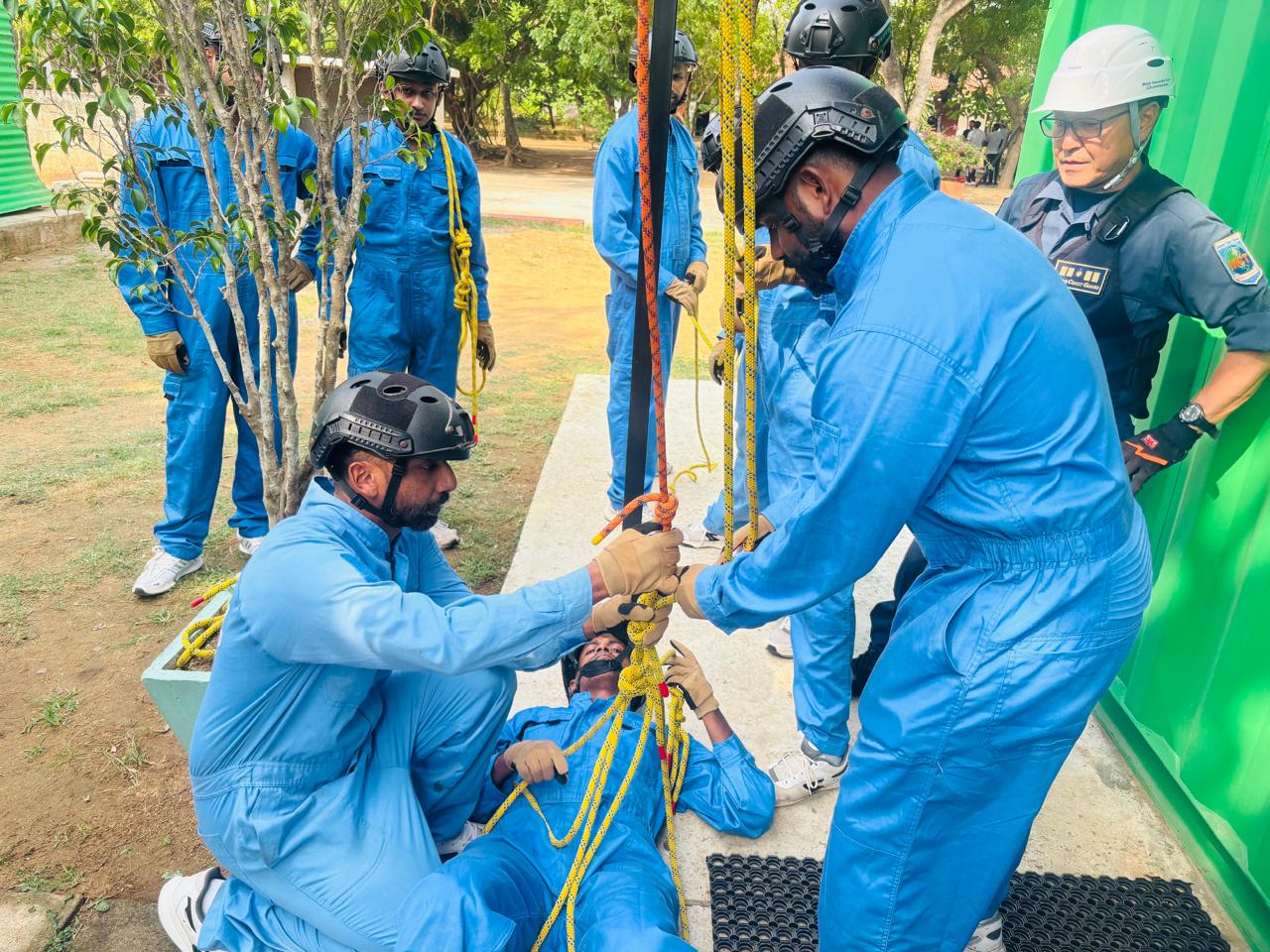
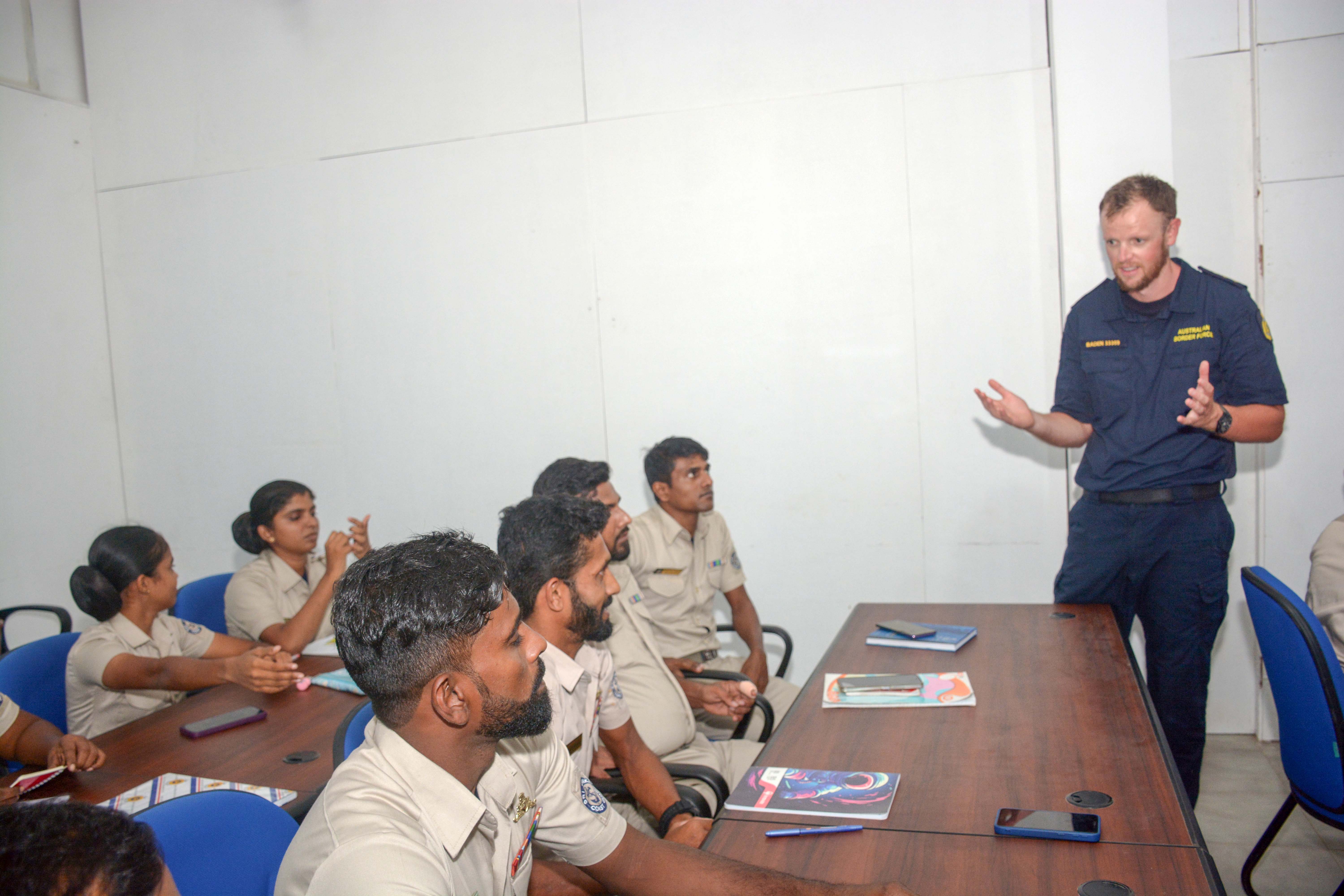
SLCG maintains strong partnerships with neighbouring countries, regional bodies, and international agencies. These collaborations facilitate a wide range of training programmes, both locally and overseas covering maritime law enforcement, search and rescue, environmental protection, and operational leadership. Few programmes conducted in Sri Lanka include Maritime Law Enforcement (MLE) and Search and Rescue (SAR) training with JICA and the Japan Coast Guard, Vessel Boarding, Search and Seizure (VBSS) training with UNODC, Strategic Communication and Open-Source Intelligence modules under the ‘Disi-Rela Programme’ with the Australian Border Force (ABF).
SLCG also contributes to regional knowledge-sharing. A recent milestone was the Lifesaving Course conducted for Indian Coast Guard personnel at the SLCG Lifesaving Training School (LSTS), Balapitiya, demonstrating SLCG’s growing capability to deliver internationally recognized training.
Through these diverse cooperative efforts, the SLCG continues to enhance its professional standards while contributing to a stronger regional maritime security framework. As the maritime environment evolves, SLCG remains committed to expanding its partnerships and embracing new capacity-building opportunities—ensuring a safer, more secure maritime domain for Sri Lanka and the wider region.


 Ministry Of Defence
 Sri Lanka Army
 Sri Lanka Navy
 Sri Lanka Air Force
 Sri Lanka Police
 NARA
NARA Marine Environment Protection Authority (MEPA)
 Ministry Of Fisheries
 Coast Conservation
Copyright © Sri Lanka Coast Guard 2024 | Designed and maintained by Sri Lanka Coast Guard Information Technology Staff